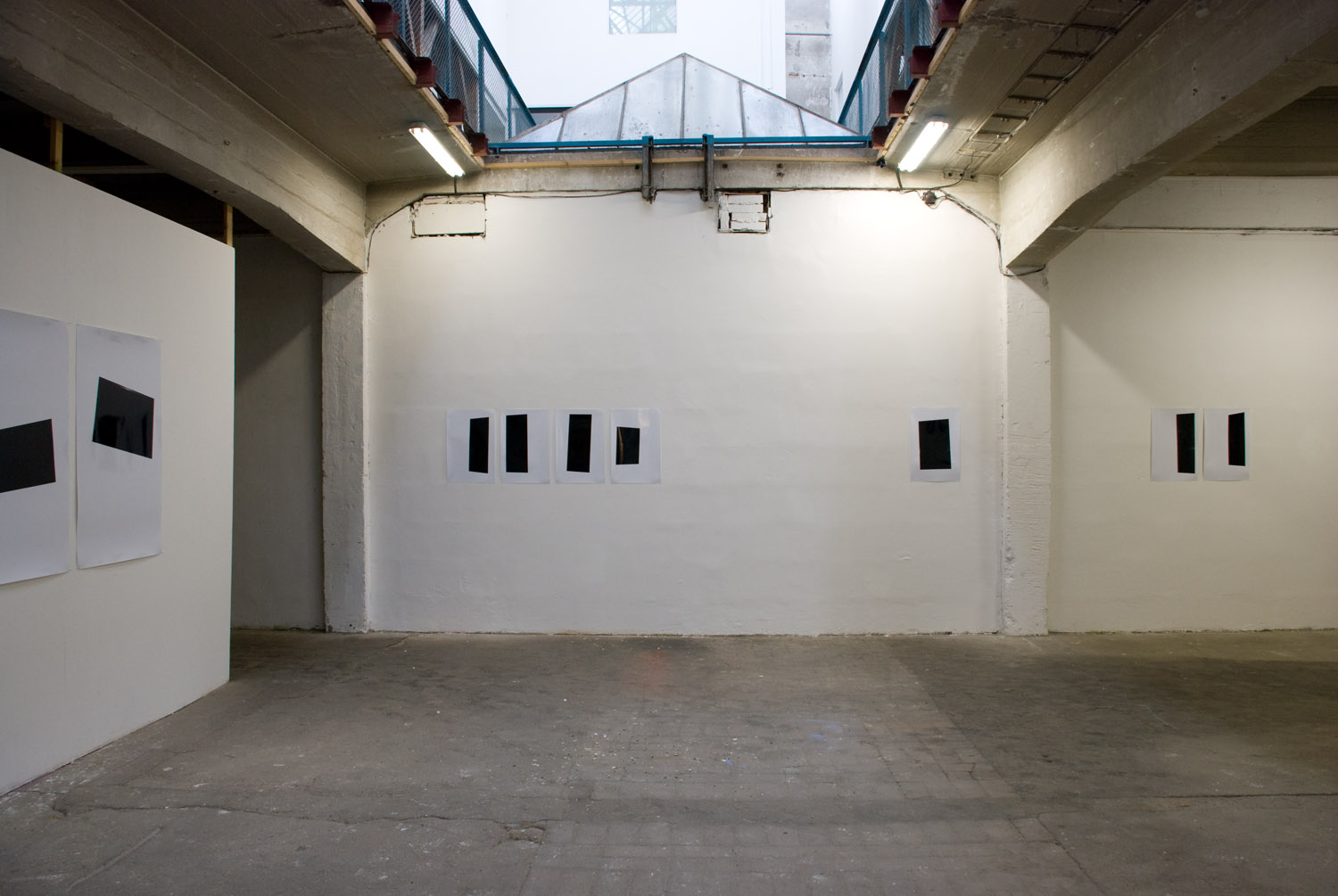
Tomáš Dvořák, Beyond Is Nothing
Today we have lost the habit (at least in galleries and theoretical essays) to perceive the technical image as a transparent window into the world or its undistorted mirror. Criticism of the mimetic principle is yet much older, it begins with Plato's Constitution, in which Socrates talks about how to create images, which "are produced differently and quickly, hopefully the most quickly; if you lift a mirror and you'll take it everywhere: you create right away the sun and everything in the sky, right away then the landscape, right after yourself and all the other living creatures, equipment, plants, just absolutely everything... " The metaphor of a mirror reflection is here primarily intended to draw less-than-flattering conclusions about the nature of art and imaging altogether - it is always something imperfect and inadequate.
The situation does not change much even if such a mirror is endowed with memory. It is a medium that makes things visible, audible, legible and perceptible, but also a medium that also hides this function and alongside aesthetics effects it always makes anesthetic impression at the same time. Most often these are trivial mistakes which bring our attention to the other, numbing nature of media and remind us that the vision is always a visualization, a construction on the border between abstraction and sensual evidence.
It is also possible to take these "mistakes", blind spots and peripheries of the visual field seriously to work with them consciously and thus to avoid otherwise anesthetic effects of the media. Such a vision sees itself rather than objects: a blank mirror, which reflects nothing of the surrounding world but only attracts the attention to the spots on its surface, to its own materiality. More than that: it becomes other mode of vision as to what it shows is the difference between visible and invisible from which the possibility of vision yet born.
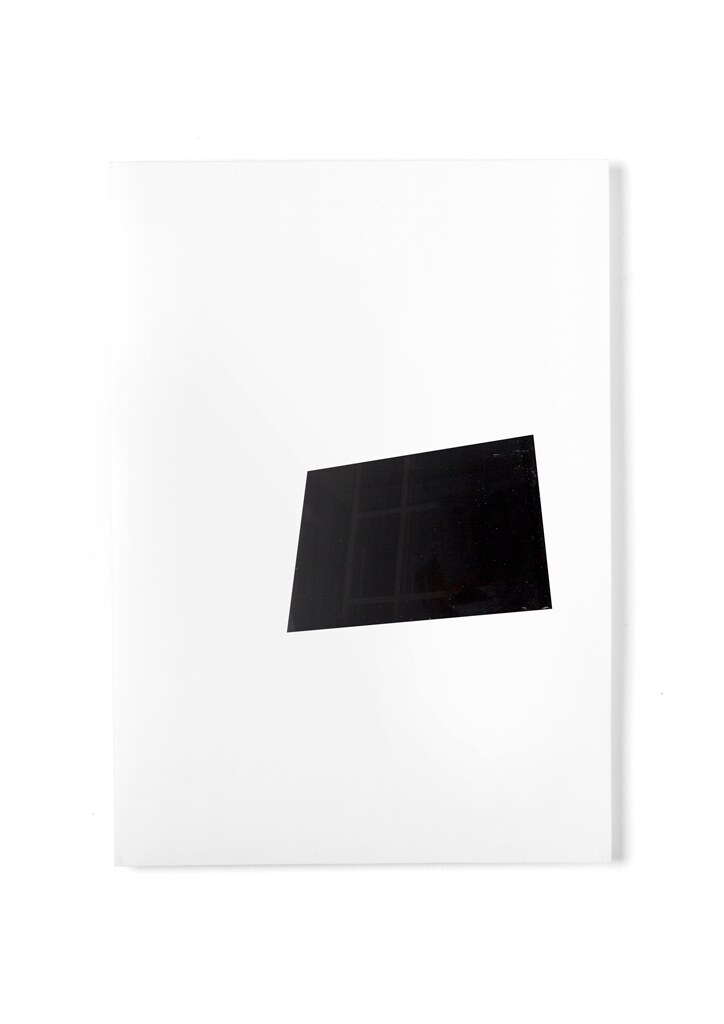
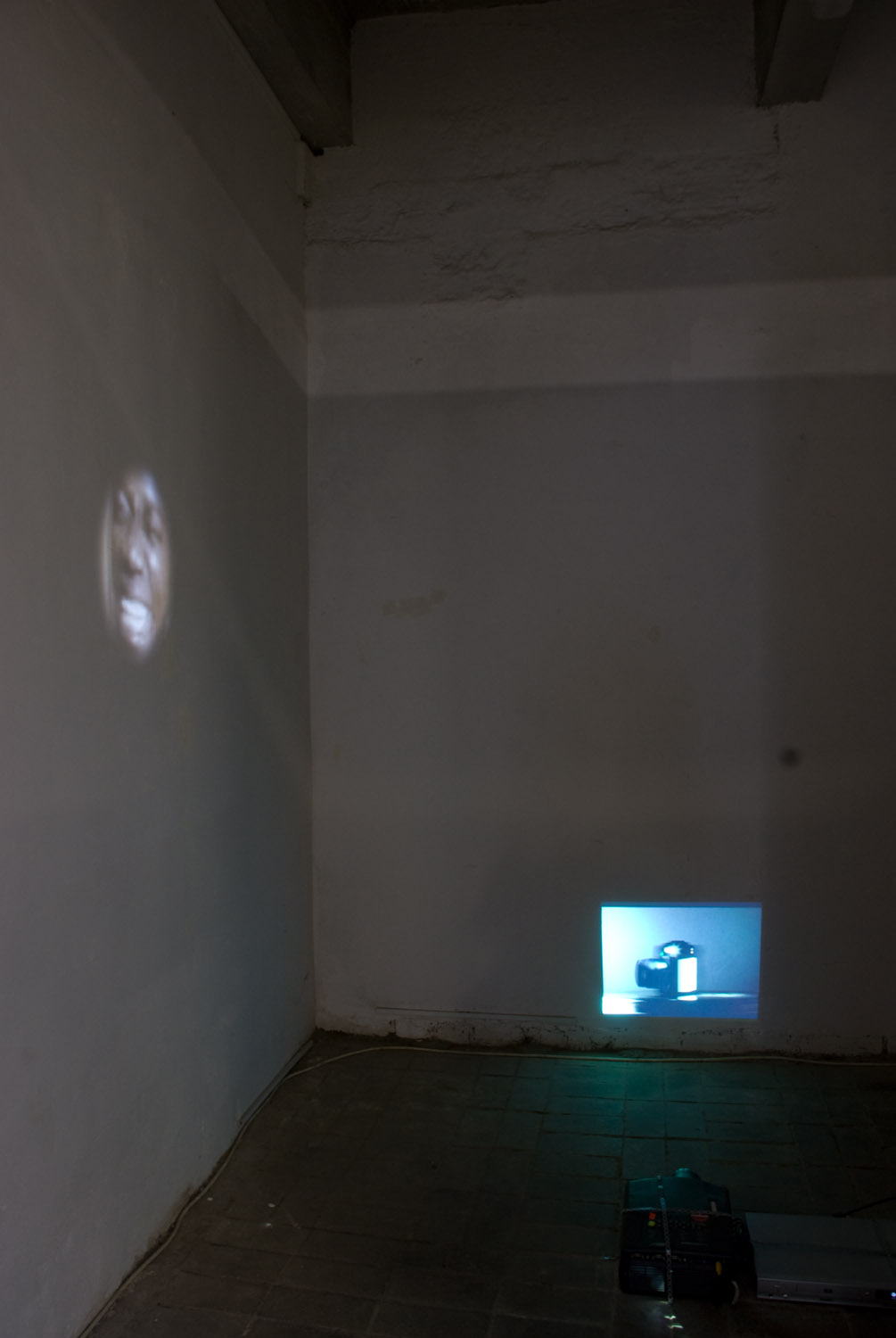
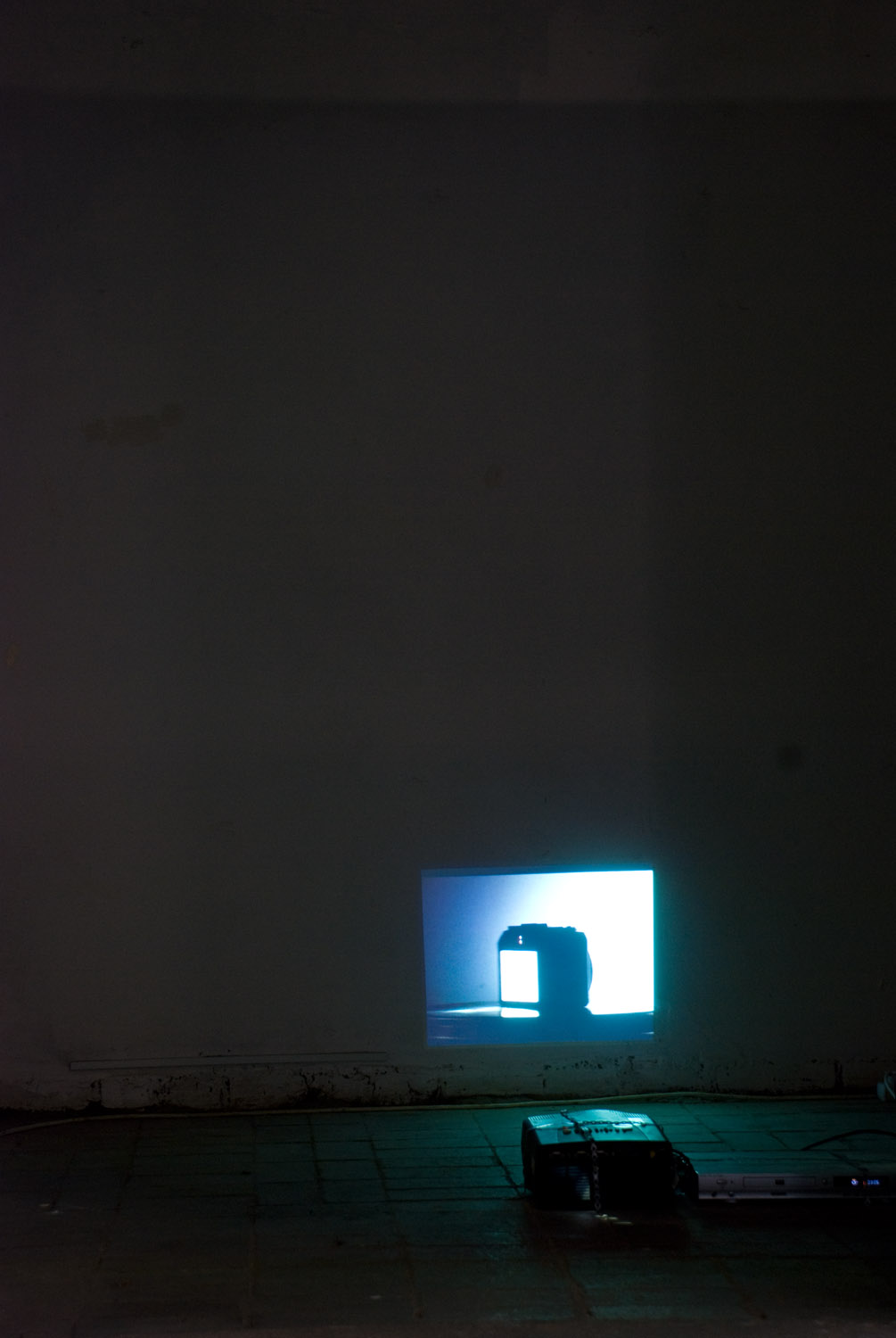
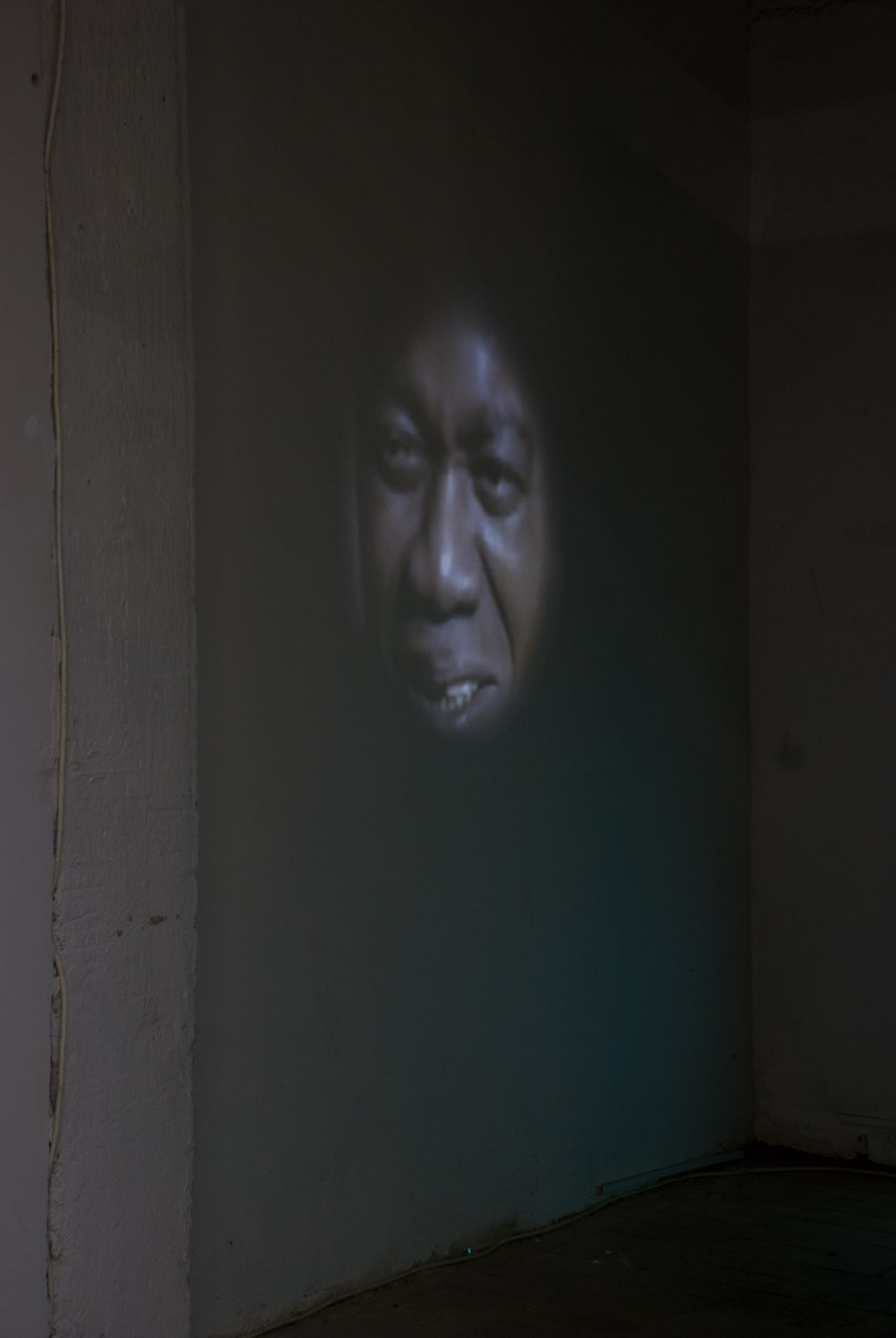
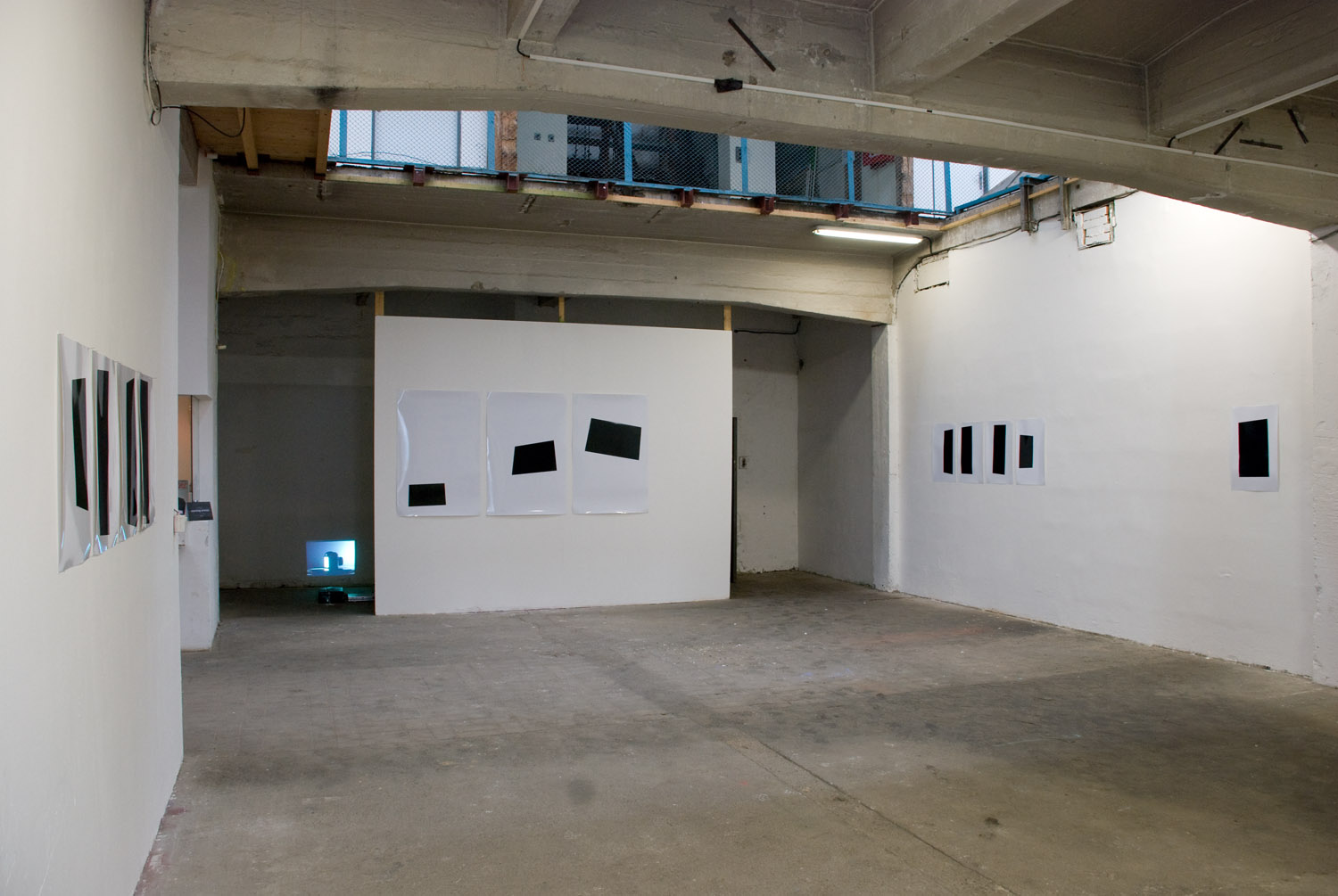
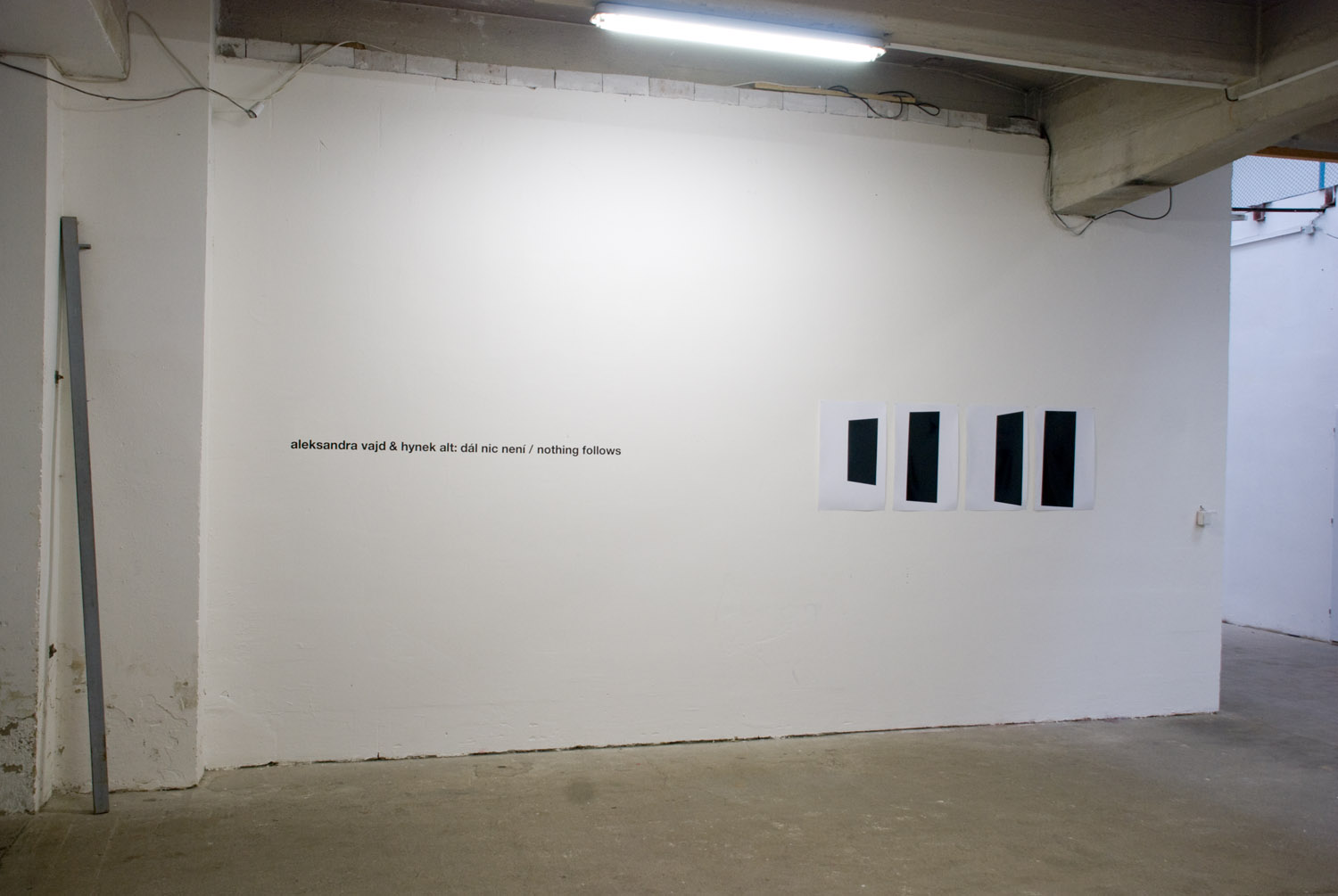
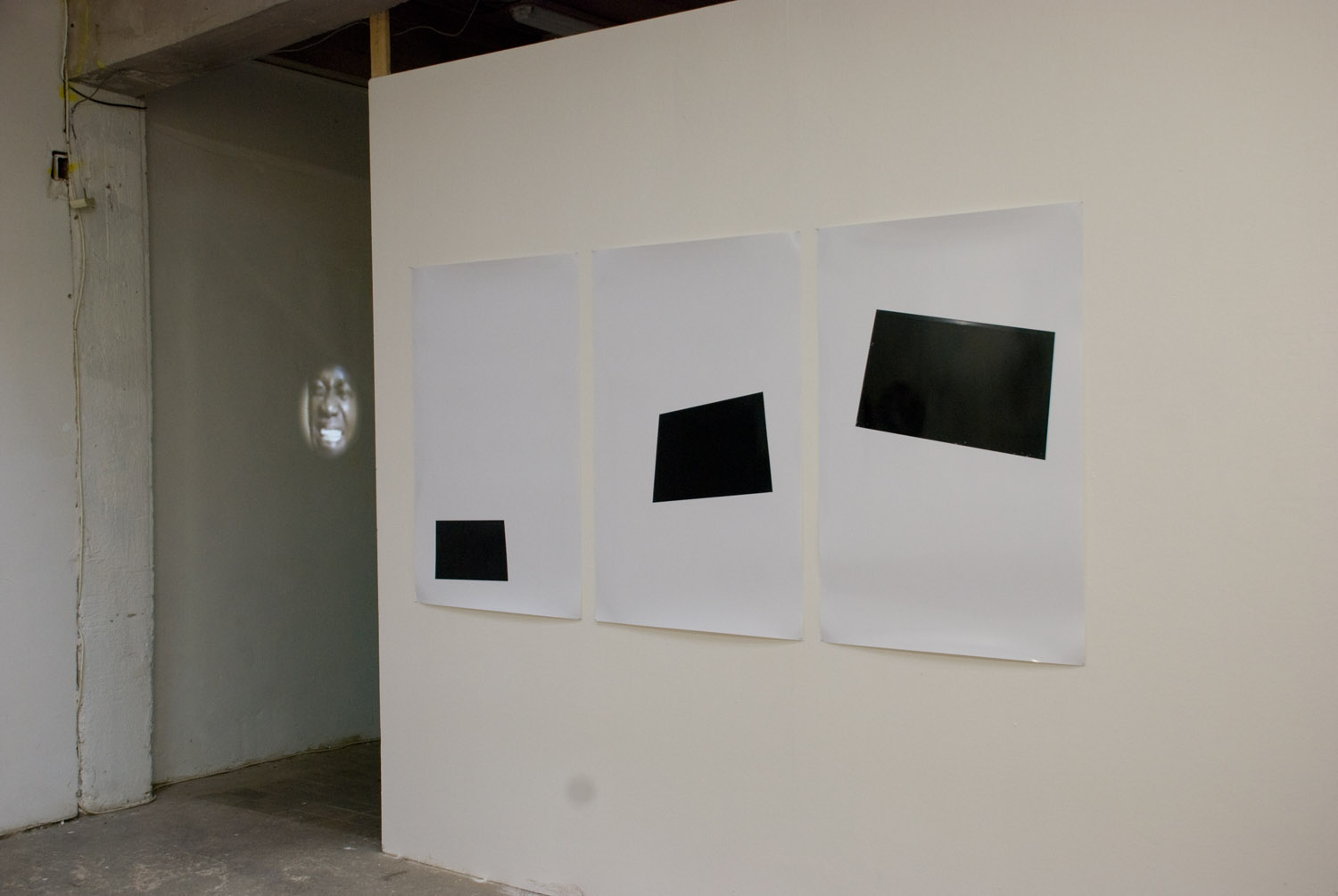
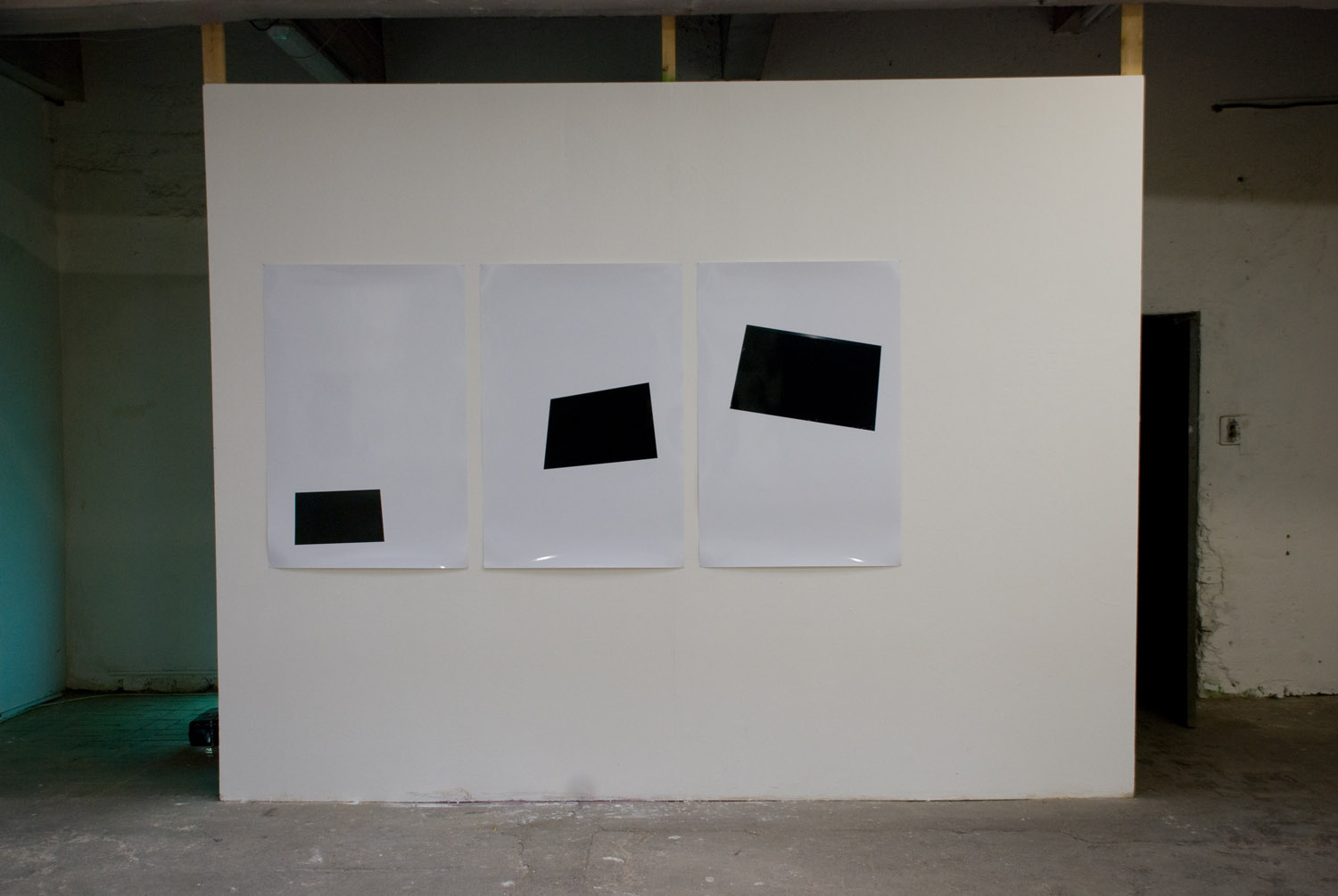
This is the area operated by the latest project Beyond Is Nothing by Aleksandra Vajd and Hynek Alt displayed in the Entrance Gallery (December 3, 2009 - January 3, 2010). A.V. and H.A. treat photography and video in a "wrong" way, at least in relation to conventions, which traditionally tie them and which try to simulate natural, unmediated vision. These conventions have their origins in the early modern period, when "the postulate of visibility" ceased to apply - the belief that human biological equipment is sufficient for understanding of the universe. They presented a response to the anxiety coming with the loss of a closed, clearly structured world and replacing it with a new cosmology of an infinite universe. New technologies of vision of that period, which included a microscope, telescope or linear perspective brought, along with strengthening the visibility of the dark, constantly receding background of the invisible. It is the border of this early modern technical vision to which the project applies. It is revealed by the metaphors on basis which the artists shape the medium: the artists' windows are Alberti's vistas which too much light turned into impervious monochromes; telescopic visor scans the skies for glow of long dead stars; flashing of a lighthouse (without the new astronomy overseas travels would be impossible - namely the ability to float without seeing where to) indicate a need for new landmarks.
Though, just one wrong step, calculation errors, power outage... a view which is in modern times primarily directed where it is not (yet) nothing to see, really sees no longer.
Tomas Dvorak