Tomáš Dvořák, Photographer
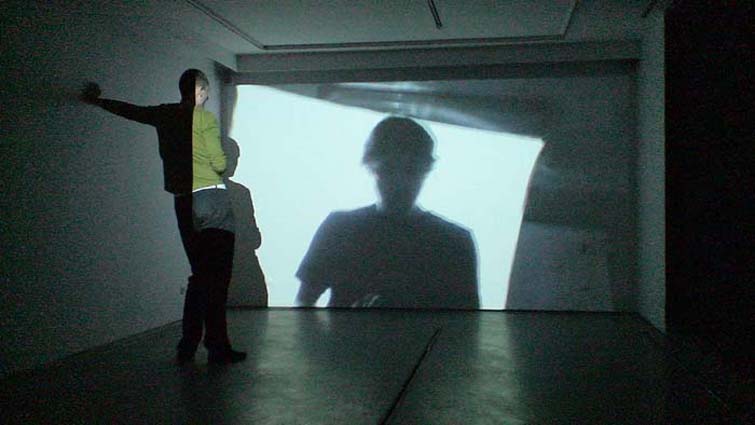
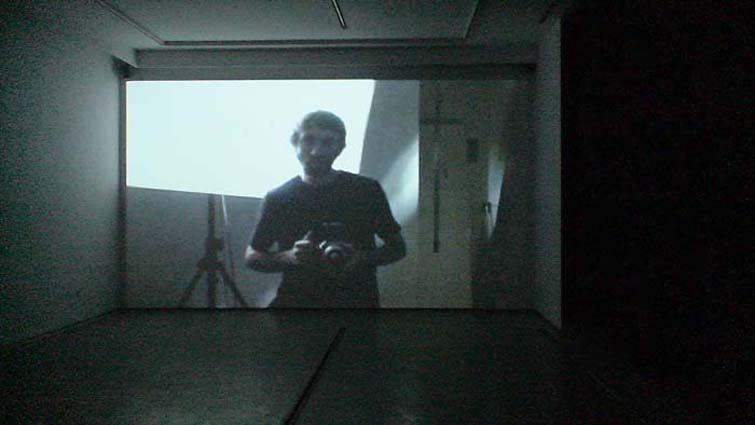
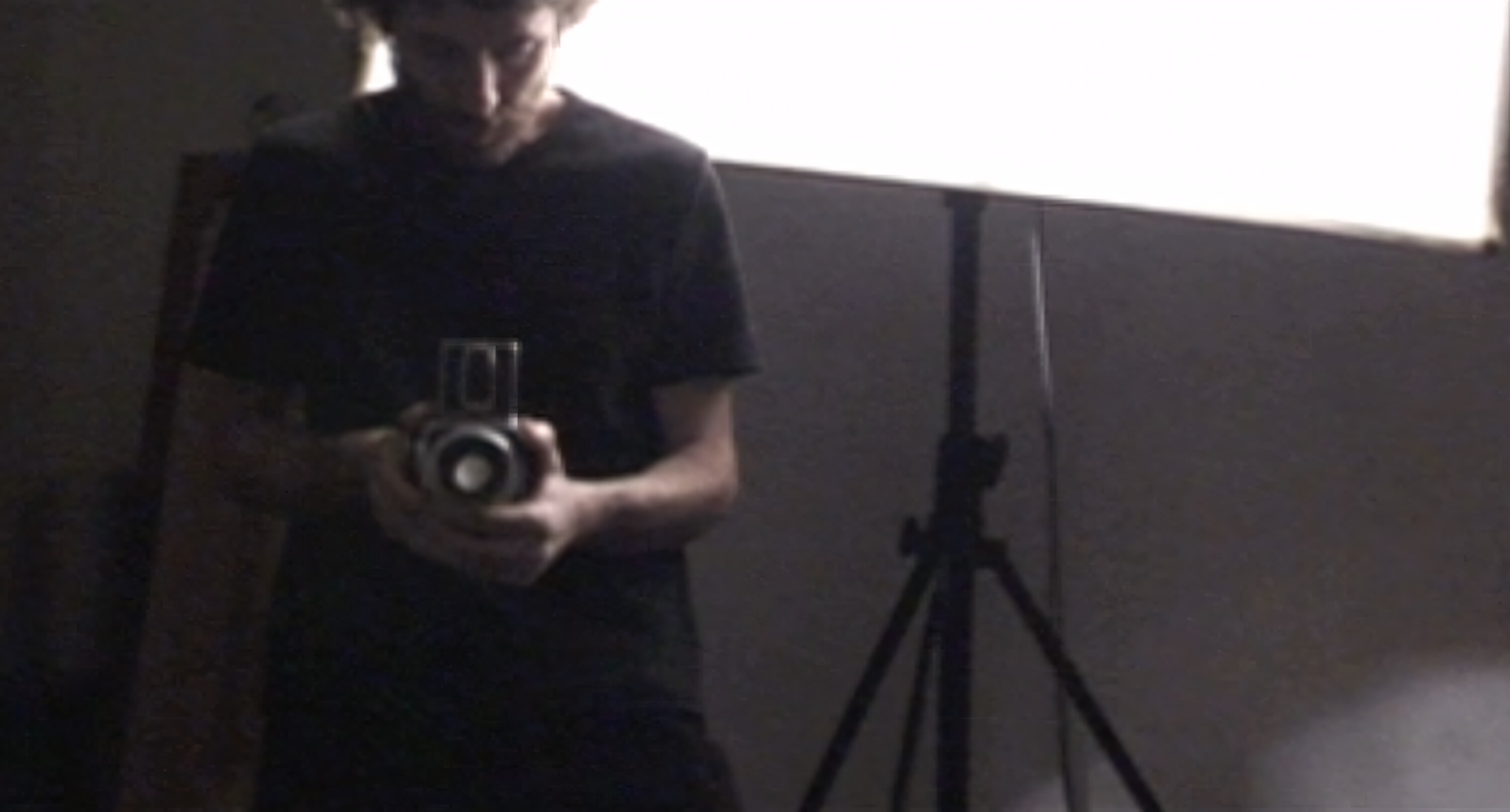
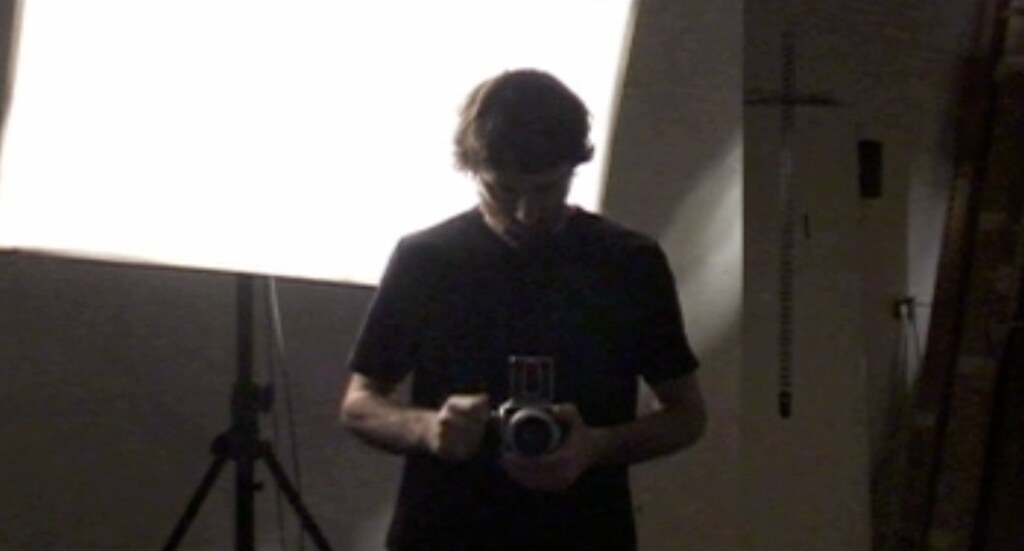
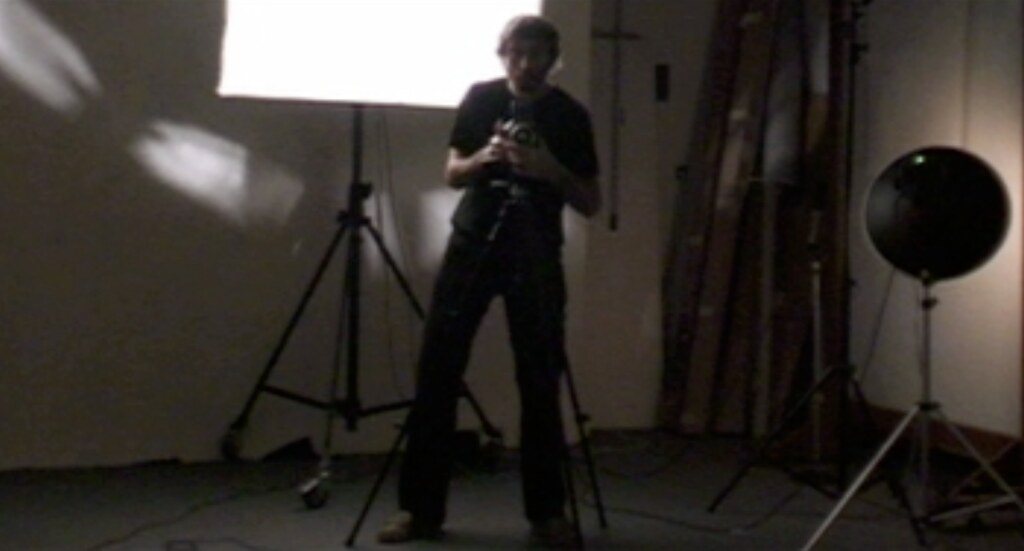
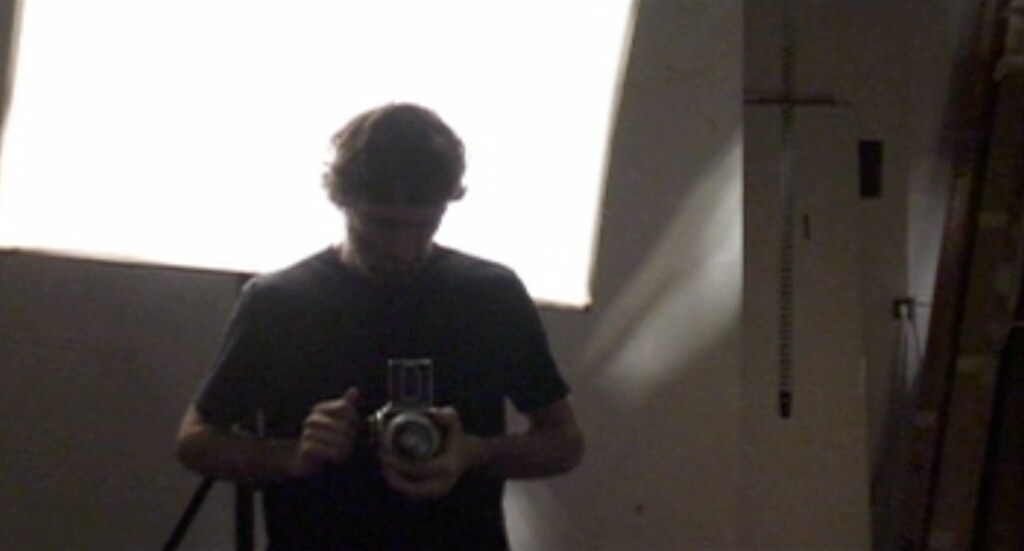
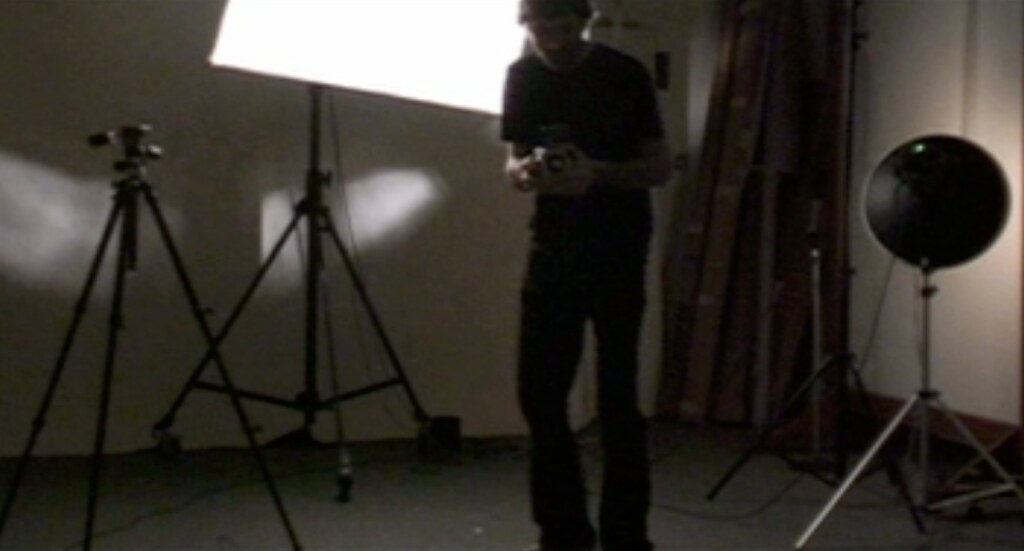
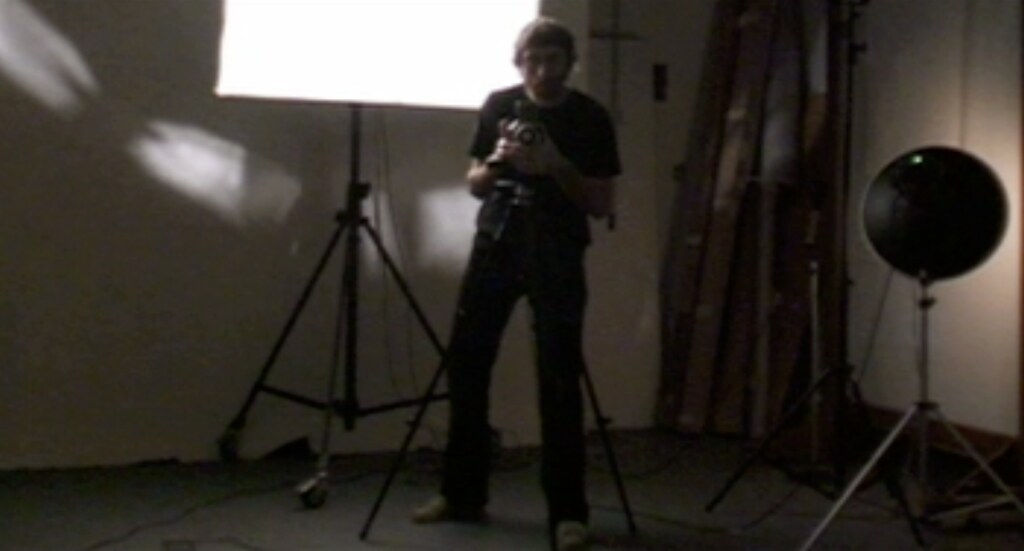
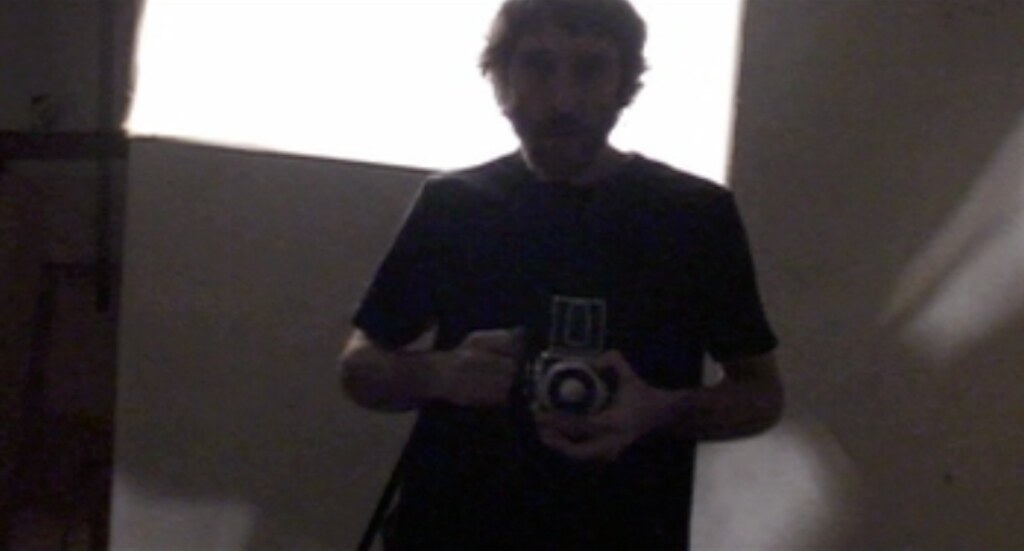
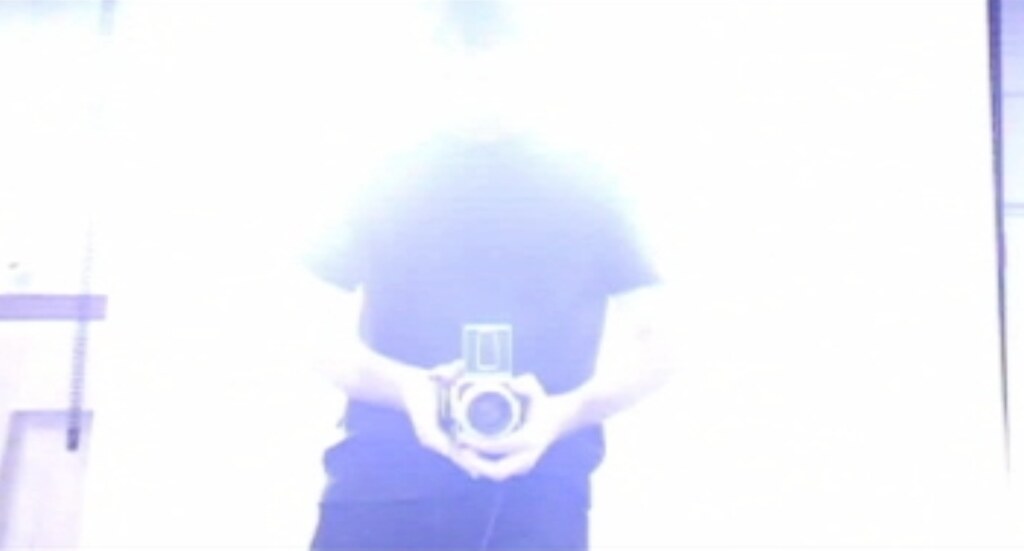
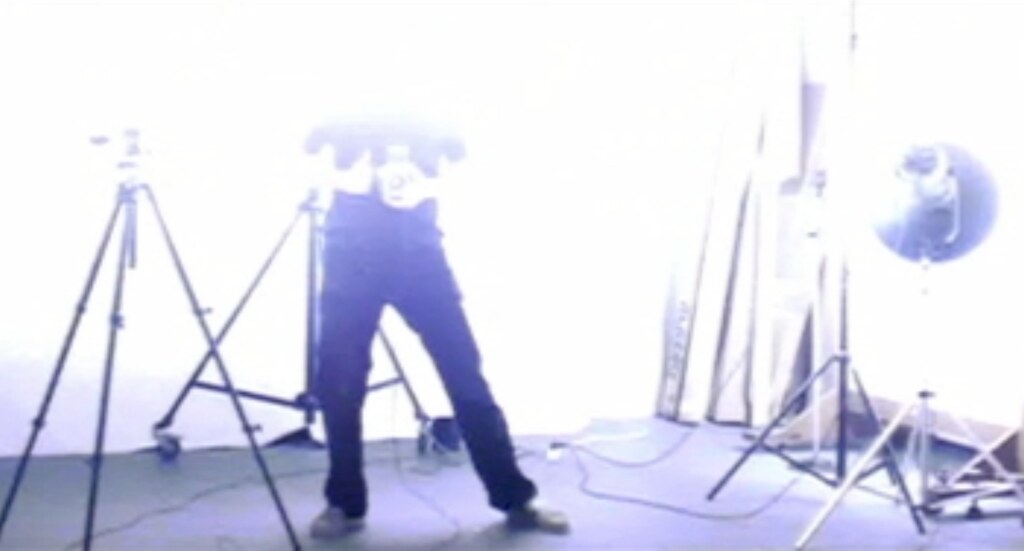
Hynek Alt: Photographer. First name Last name: Occupation. Business card, self-identification, self-fashioning. In the case of photography we should better say: self-portrait. In the case of Hynek Alt, the photographer, we should better say: a video of a stranger.
Hynek Alt: Photographer. Author: Title. Signature, self-affirmation, self-expression. As well as a double distance: the photographer Hynek Alt portrays the Photographer by the moving image of a stranger. Perhaps this is his good-bye to photography (we can define something only when it's brought to a close – Hynek Alt: Photographer). Perhaps an image of the Photographer can be made only after the borders of photography are crossed over and the medium is perceived \>from the outside, by means of the moving image for example. Yet it would be trivializing to conceive of photography as static. Here we are dealing rather with its very border – we potter on it. It is the same purposeless drifting around on the margins, which Hackenschmied portrayed in his Aimless Walk, a filmic portrait of the photographic gesture. Alt's approach is minimalist: he compresses the situation by setting it into a studio; he encircles the Photographer in a minimal space and so forces him to reveal what is essential about him: the aimless walk is reduced to hesitant pottering (the smallest model of this movement is visual scanning). The essence of the Photographer is his gesture: the flickering attention, probing touches, drawing near and away. Flusser describes photographic gesture's salutatory searching as the "phenomenological doubt," which tries to get close to phenomena by constantly changing viewpoints. "The photographer doubts, yet his doubts are of different nature than scientific, religious, or existential doubts. It is a new kind of a doubt, in which hesitations and decisions are ground into pieces – it is a quantifying, atomizing doubt." The photographer does not assume one exclusive viewpoint, but takes as many of them as possible (the shutter is constantly clicking). What kind of attitude is this, what kind of place does he assume?
At the still point of the turning world. Neither flesh nor fleshless; Neither from nor towards; at the still point, there the dance is,
But neither arrest nor movement. And do not call it fixity,
Where past and future are gathered.
Neither movement from nor towards,
Neither ascent nor decline. Except for the point, the still point,
There would be no dance, and there is only the dance.
I can only say, there we have been: but cannot say where.
And I cannot say, how long, for that is to place it in time.
(T.S. Eliot, Four Quartets)
The photographic gesture is often compared to the lurking gesture of a hunter. It is, however, beyond the categories of the active and the passive since the photographer and the camera are united into a single indivisible function. As Jean-Luc Godard says in his self-portrait, the artist is not as much a creator or a producer as a receiver: "the camera, for me, cannot be a rifle, since it is not an instrument that sends out but an instrument that receives." The self-portrait, then, should not show the artist himself but rather that which he perceives: not what he makes of film or photography but what these media make of him. We can see what Hynek Alt's images show to us. What is it his Photographer sees? Hynek Alt: Photographer, of course. One can see oneself only as an image.